
OKR frente a KPI: ¿Es necesario elegir?
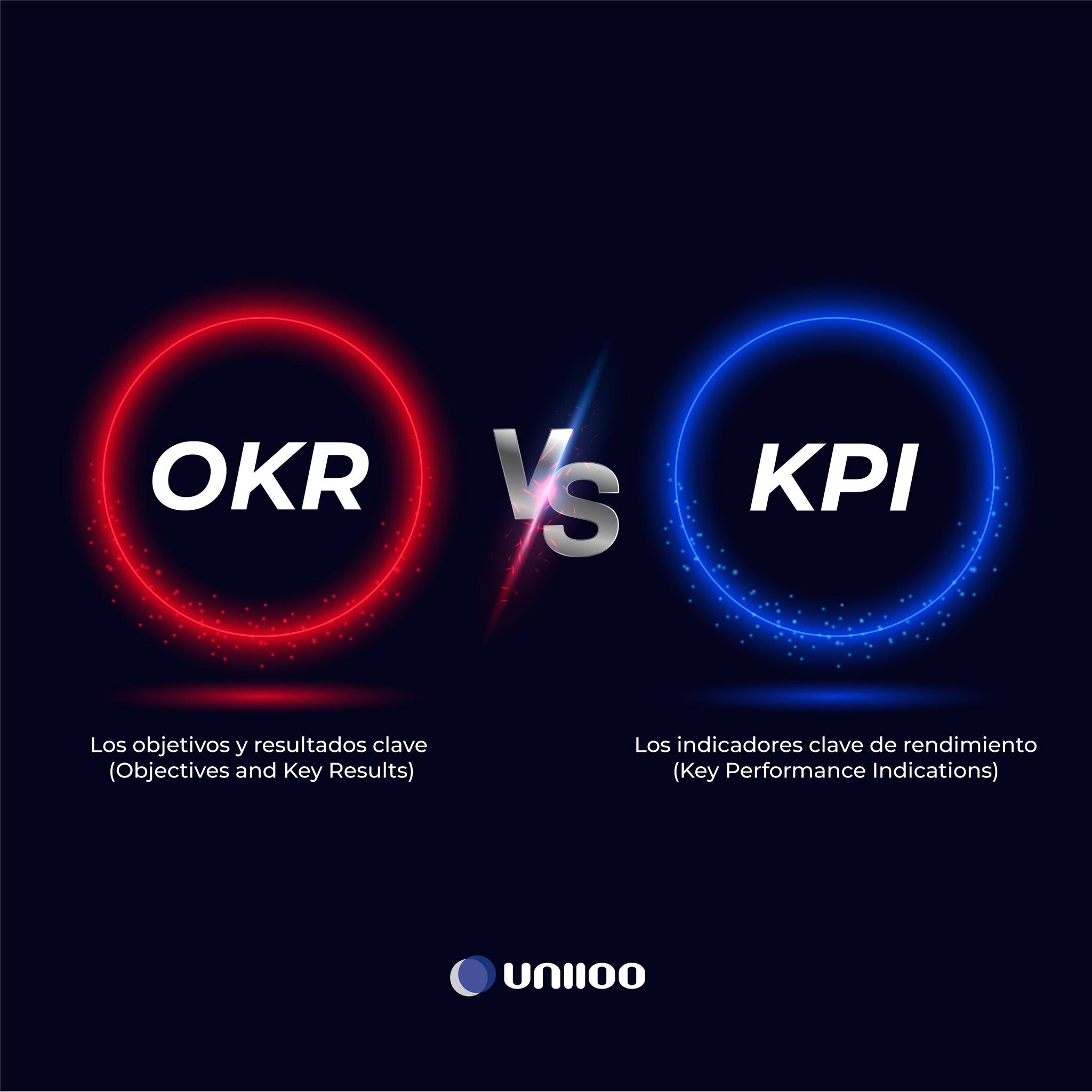
Para cada organización, los objetivos y la estrategia para alcanzarlos son fundamentales. Veamos dos enfoques de establecimiento de objetivos — los KPI y los OKR, que ayudan a construir una «hoja de ruta» desde la realidad actual hacia el futuro deseado.
Los objetivos y resultados clave OKR (Objectives and Key Results) es un sistema de dos componentes que incluye un objetivo con uno o varios resultados clave. El objetivo marca la dirección de tus esfuerzos, mientras que los resultados clave son los indicadores necesarios para alcanzar la meta establecida. Los OKR se utilizan para crear, mejorar o innovar y deben actualizarse cada trimestre o cada año para mostrar el progreso y facilitar el desarrollo en nuevas etapas.
Los indicadores clave de rendimiento KPI (Key Performance Indications) son métricas que existen desde hace casi un siglo y son indicadores de la «salud» de la empresa. Muchas organizaciones utilizan KPI, y aquellas que no lo hacen, a menudo simplemente no se dan cuenta de ello  Son herramientas ideales para monitorear el estado actual del negocio. Existen muchos tipos de KPI, y cada uno se elige según las necesidades de los distintos departamentos para evaluar el logro de objetivos específicos.
Son herramientas ideales para monitorear el estado actual del negocio. Existen muchos tipos de KPI, y cada uno se elige según las necesidades de los distintos departamentos para evaluar el logro de objetivos específicos.Por lo tanto, OKR y KPI son distintos tipos de objetivos con propósitos diferentes. Los OKR conectan las ambiciones con la realidad, ayudan a crear nuevas condiciones de crecimiento y a descubrir oportunidades ocultas. Los KPI, por el contrario, controlan la ejecución de los procesos actuales, supervisando cómo funciona el negocio y sus divisiones.
Así, ambos instrumentos son efectivos cuando se utilizan juntos. Además, un OKR puede convertirse en un KPI y, a su vez, se puede mejorar un KPI mediante los OKR. Los OKR abordan problemas y buscan mejoras, mientras que los KPI son ideales para monitorear el estado del negocio. Para hacer crecer la empresa, necesitarás ambos instrumentos.